Impact Factor
Call For Paper
Volume 12 Issue 09
September 2026
Download Paper Format
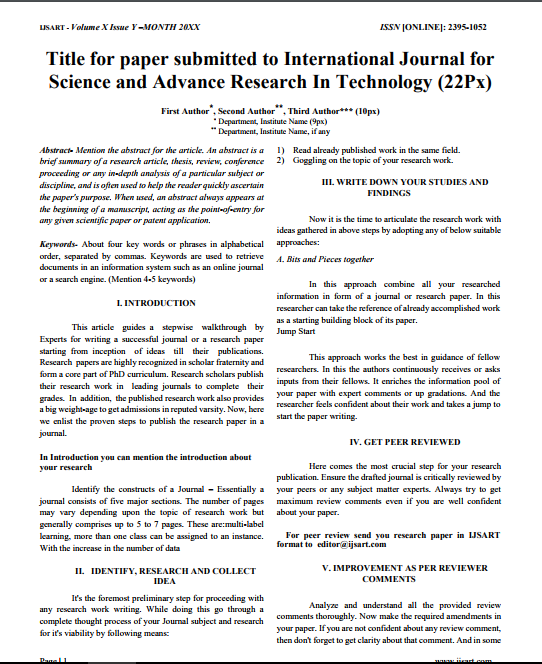
Copyright Form
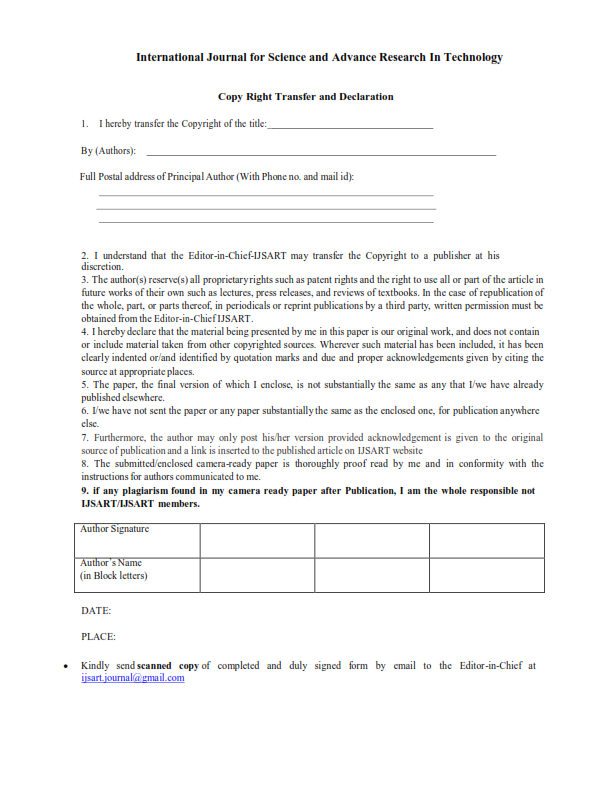

Author(s)
Abstract
Couroupita Guianensis Aubl., Commonly Known As The Cannonball Tree, Is A Large Deciduous Tree From The Family Lecythidaceae, Celebrated For Its Rich Medicinal And Cultural Significance. In India, It Is Known As Nagalingam In Tamil And Kailashpati In Hindi. Originally Native To The Tropical Rainforests Of Central And South America, The Cannonball Tree Is Now Widely Cultivated Across India, Sri Lanka, And Southeast Asia. Almost Every Part Of The Plant Including Its Flowers, Leaves, Bark, And Fruit Is Used In Traditional Medicine To Treat Conditions Such As Wounds, Inflammation, Skin Disorders, Malaria, Toothaches, And Microbial Infections. Scientific Studies Have Shown That The Plant Contains A Rich Variety Of Bioactive Compounds, Including Terpenoids, Flavonoids, Alkaloids, Glycosides, Tannins, Phenolic Compounds, And Quinones. These Constituents Are Responsible For Several Pharmacological Effects, Such As Antioxidant, Anti-inflammatory, Antimicrobial, Wound-healing, Anticancer, And Hepatoprotective Activities. Some Key Compounds Such As α-amyrin, β-amyrin, Isatin, Quercetin And Couroupitine Play A Crucial Role In These Effects By Reducing Oxidative Stress, Suppressing Inflammation, And Triggering Apoptosis In Abnormal Cells. Despite Its Long History Of Traditional Use And Promising Pharmacological Profile, Couroupita Guianensis Remains Underexplored Scientifically. This Review Aims To Bring Together Existing Research On Its Phytochemical Composition, Ethnomedicinal Uses, And Therapeutic Potential, Highlighting Its Promise As A Valuable Source For Modern Drug Discovery And Phytopharmaceutical Development.
Keywords
Paper ID
IJSARTV12I2104604
Publication Date
February 27, 2026
Research Area
Herbal Pharmaceutical Research