Impact Factor
Call For Paper
Volume 12 Issue 09
September 2026
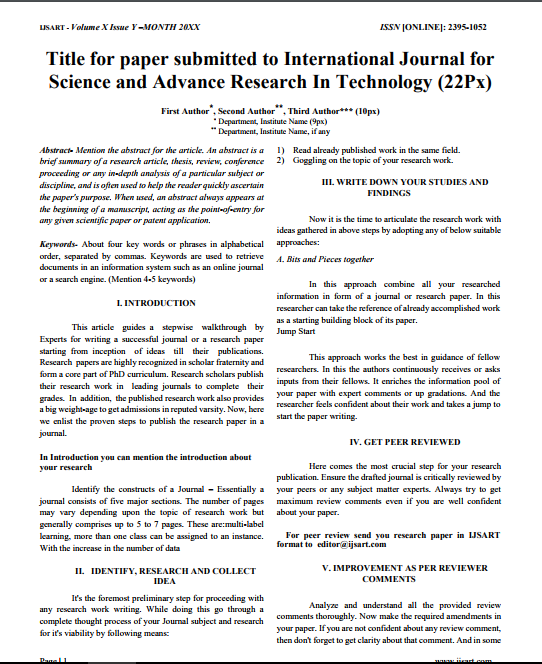
Download Paper Format
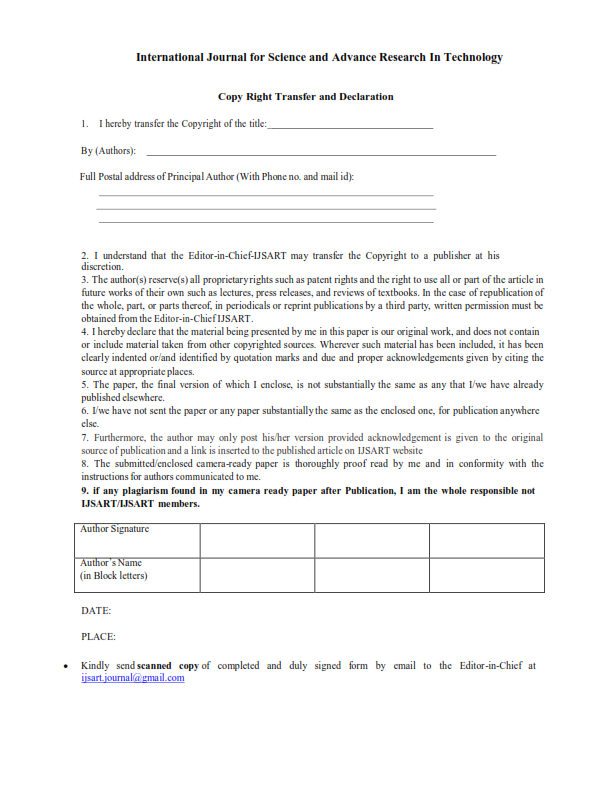
Copyright Form

Author(s)
Abstract
The Integration Of A Multidisciplinary Curriculum In Primary Education Holds Transformative Potential In Nurturing Curious, Creative, And Critically Thinking Young Learners. This Study Explores The Merits Of A Holistic, Interdisciplinary Approach To Curriculum Design, Emphasizing Its Role In Fostering Cognitive Flexibility, Problem-solving Skills, And Intrinsic Motivation Among Students. By Breaking Traditional Subjects, A Multidisciplinary Framework Aligns With The Natural Curiosity Of Children, Enabling Them To Draw Connections Across Disciplines And Apply Knowledge In Real-world Contexts. Drawing Upon Case Studies And Pedagogical Research, This Paper Highlights How Project-based Learning, Thematic Units, And Inquiry-driven Instruction Enhance Engagement And Deeper Understanding. Key Findings Suggest That Such An Approach Not Only Improves Academic Performance But Also Cultivates Essential 21st-century Skills, Including Collaboration, Adaptability, And Innovative Thinking. Comparative Methods And Statistical Methods Of Study For Comparing Literacy Rate, IQ Level, Employment Ratios Between The Cross Countries Have Been Used To Determine And Design Multidisciplinary Curriculum In Primary Level Education. Furthermore, The Study Examines The Challenges Of Implementation, Such As Teacher Training, Resource Allocation, And Assessment Strategies, Proposing Actionable Solutions For Sustainable Integration. The Paper Will Discuss Best Practices From Global Educational Models, Emphasizing The Need For Collaborative Efforts Among Educators, Policymakers, And Curriculum Developers. By Adopting A Multidisciplinary Lens, Primary Education Can Evolve To Meet The Dynamic Needs Of Future Generations, Transforming Classrooms Into Vibrant Hubs Of Exploration And Discovery. This Research Advocates For A Systemic Shift Towards Holistic Learning Paradigms, Ensuring That Young Minds Are Equipped To Thrive In An Increasingly Interconnected World.
Keywords
Paper ID
IJSARTV12I6105735
Publication Date
June 26, 2026
Research Area
NA