Impact Factor
Call For Paper
Volume 12 Issue 09
September 2026
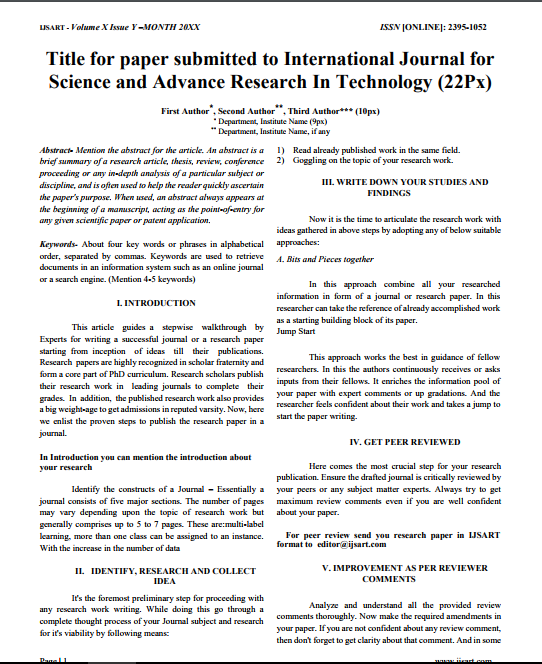
Download Paper Format
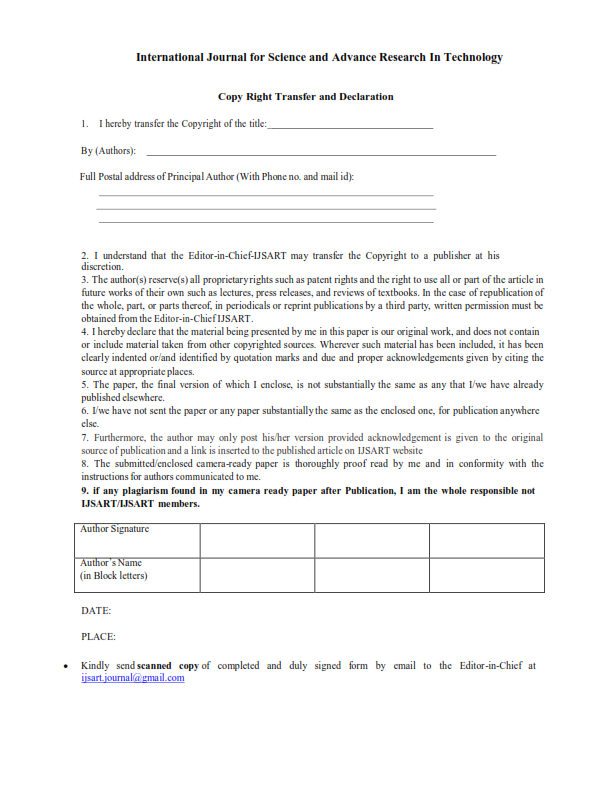
Copyright Form

Author(s)
Abstract
Nipah Virus (NiV) Infection, First Identified In Malaysia In 1998, Is A Zoonotic Disease Caused By A Pathogen From The Paramyxoviridae Family (Singh Et Al., 2019). Subsequent Outbreaks Have Been Documented In Singapore, Bangladesh, And India, Highlighting Its Regional Significance (Sharma Et Al., 2019). The Infection Poses A Severe Threat To Human Health By Targeting The Respiratory And Nervous Systems, Leading To High Mortality Rates (Banerjee Et Al., 2019). As An RNA Virus, Its Transmission Occurs Through Several Routes, Including From Bats To Humans, Pigs To Humans, And Through Human-to-human Contact (Gurley Et Al., 2007). Fruit Bats Of The Pteropus Genus, Such As Pteropus Hypomelanus And Pteropus Vampyrus, Are Identified As The Primary Natural Reservoir For The Virus (Chua Et Al., 2000). A Critical Challenge In Managing NiV Is The Absence Of A Specific Vaccine Or Approved Antiviral Treatment, A Situation That Has Persisted From Its Discovery In 1999 Through To The Present Year Of 2022 (Satterfield Et Al., 2016). Different Strains Of The Virus Exhibit Distinct Clinical And Epidemiological Features, Complicating Public Health Responses (Clayton Et Al., 2016). The Cornerstone Of Outbreak Containment Lies In Rapid Diagnostic Procedures And The Stringent Implementation Of Infection Control Measures (Mazzola & Kelly-Cirino, 2019). To This End, A Multitude Of Serological And Molecular Diagnostic Techniques Have Been Developed For Effective Diagnosis And Surveillance (Yadav Et Al., 2021). Managing The Disease Becomes Particularly Difficult When It Emerges In New Geographical Areas Where Awareness And Infrastructure May Be Lacking (Plowright Et Al., 2019). The High Case Fatality Rate, Estimated To Be Between 75% And 95%, Coupled With The Potential For The Virus To Spread To New Regions, Underscores The Urgent And Critical Need For Developing Effective Control And Management Strategies (Shariff, 2019). It Is Noted That The NiV-B (Bangladesh) Strain Appears To Be More Lethal Compared To The Strains From Malaysia (NiV-M), India (NiV-I), And Singapore (NiV-S) (Harcourt Et Al., 2005). Presently, The Global Research Community Is Actively Pursuing Vaccine Development, With Several Candidates Undergoing Pre-clinical Trials In Animal Models Such As Pigs, Horses, And Monkeys (Thakur & Bailey, 2019). This Article Seeks To Comprehensively Examine The Barriers And Current Progress In The Development Of Medicines And Vaccines For This Particular And Highly Pathogenic Virus.
Keywords
Paper ID
IJSARTV11I10104154
Publication Date
October 22, 2025
Research Area
Health