Impact Factor
Call For Paper
Volume 12 Issue 09
September 2026
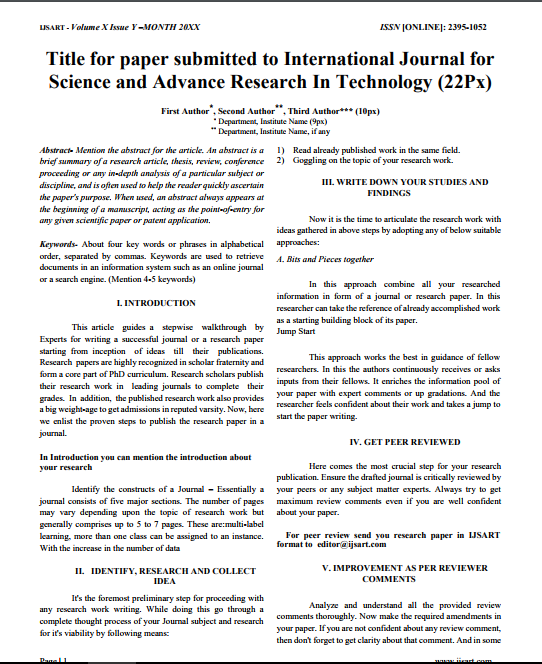
Download Paper Format
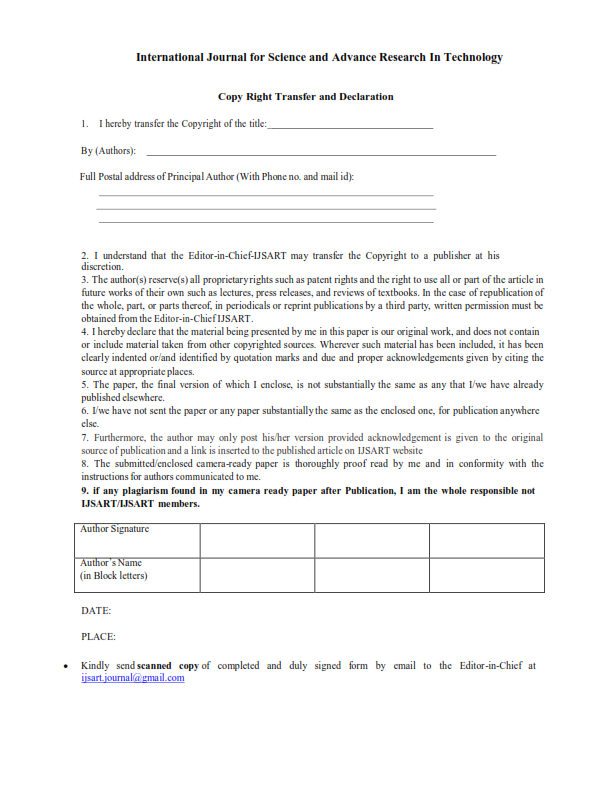
Copyright Form

Author(s)
Abstract
The Construction Industry Is One Of The Major Consumers Of Natural Resources And Construction Materials, Generating Significant Quantities Of Construction Waste And Environmental Pollution. Conventional Reinforced Cement Concrete (RCC) Construction Involves High Consumption Of Cement, Steel, Aggregate, And Formwork Materials, Resulting In Increased Project Cost, Material Wastage, And Carbon Emissions. Ferro-cement Technology Has Emerged As A Lightweight And Sustainable Alternative Construction Technique Due To Its Reduced Material Requirement, Thin Structural Sections, And Improved Construction Efficiency. The Present Study Focuses On The Analysis Of Material Efficiency And Waste Reduction Achieved Using Ferro-cement Construction Technology In Comparison With Conventional RCC Construction. A Comparative Study Of RCC And Ferro-cement Wall Panels Was Carried Out Based On Quantity Estimation, Material Consumption Analysis, And Construction Waste Evaluation. The Results Obtained From The Study Indicated That Ferro-cement Construction Achieved Approximately 70.53% Reduction In Cement Consumption, 68.15% Reduction In Steel Reinforcement Usage, And 75% Reduction In Structural Volume Compared To RCC Construction. The Analysis Also Revealed That Material Wastage Generated In Ferro-cement Construction Was Significantly Lower, Ranging From 3–5%, Whereas RCC Construction Generated Approximately 8–10% Wastage. Reduced Formwork Requirement, Controlled Mortar Application, And Lightweight Reinforcement Systems Contributed To Better Material Utilization And Lower Construction Debris Generation. The Study Concludes That Ferro-cement Technology Provides Significant Environmental And Sustainability Benefits And Can Serve As An Effective Alternative Construction Technique For Low-cost Housing, Prefabricated Structures, And Sustainable Construction Applications.
Keywords
Paper ID
IJSARTV12I5105376
Publication Date
May 15, 2026
Research Area
Civil Engineering