Impact Factor
Call For Paper
Volume 12 Issue 09
September 2026
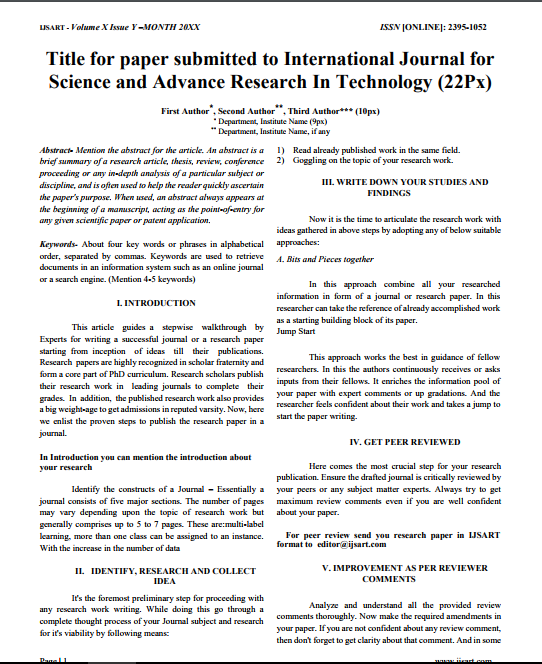
Download Paper Format
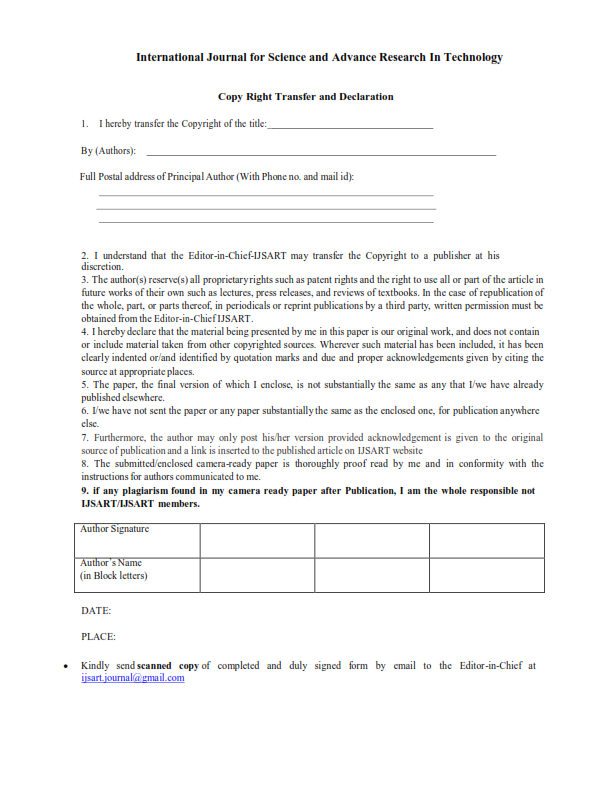
Copyright Form

Author(s)
Abstract
Scientific Management Represents One Of The Earliest Systematic Attempts To Apply Scientific Principles To Organizational Management. Developed By Frederick Winslow Taylor In The Early Twentieth Century, The Theory Sought To Enhance Industrial Efficiency Through The Application Of Systematic Observation, Measurement, And Standardization Of Work Processes. This Article Examines The Conceptual Foundations Of Scientific Management And Analyses Its Major Principles And Techniques, Including Time And Motion Studies, Functional Foremanship, And The Differential Piece-rate System. The Study Also Evaluates The Theoretical Contributions Of Taylor In Transforming Management From A Traditional Rule-of-thumb Practice Into A More Structured And Scientific Discipline. At The Same Time, The Article Critically Explores The Limitations Of Scientific Management, Particularly Its Mechanistic View Of Workers And Its Neglect Of Social And Psychological Factors Within Organizations. By Reviewing Classical And Contemporary Literature, The Paper Highlights The Enduring Relevance Of Scientific Management In Modern Organizational Practices While Acknowledging The Need For More Human-centred Approaches In Management Theory.
Keywords
Paper ID
IJSARTV12I3104718
Publication Date
March 15, 2026
Research Area
Public Administration