Impact Factor
Call For Paper
Volume 12 Issue 09
September 2026
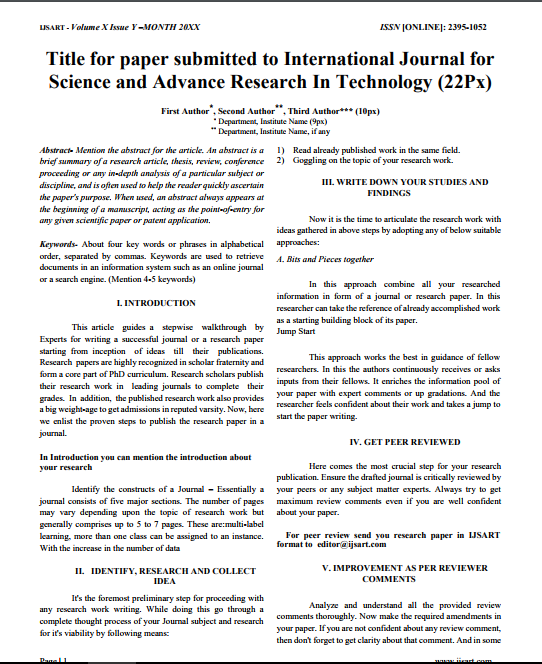
Download Paper Format
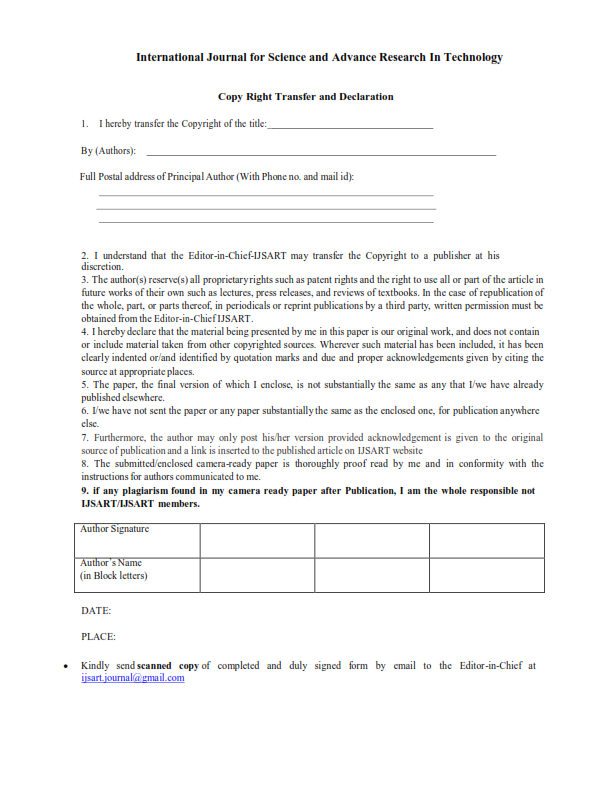
Copyright Form

Author(s)
Abstract
Gestational Diabetes Mellitus (GDM), Defined As Glucose Intolerance First Identified During Pregnancy, Significantly Increases Risks Of Maternal And Neonatal Complications, Including Preeclampsia, Macrosomia, And Future Type 2 Diabetes. Despite Its Growing Prevalence—especially In India, Which Accounts For Nearly Five Million Cases Annually—awareness Among Pregnant Women Remains Alarmingly Low, Particularly In Socioeconomically Disadvantaged Populations.Objective:This Study Aimed To Assess The Awareness Levels Of GDM Among Pregnant Women In Urban And Semi-urban Regions Of Karaikal, India, And To Examine The Relationship Between Awareness And Key Sociodemographic Factors.Methods:A Cross-sectional Study Was Conducted Over Six Months At An Urban Hospital In Karaikal. A Pre-validated 25-item Questionnaire Covering GDM Risk Factors, Symptoms, Screening, Treatment, And Complications Was Administered To 400 Pregnant Women Attending Antenatal Clinics. Statistical Analyses, Including Chi-square Tests And Logistic Regression, Were Used To Evaluate Associations Between Awareness Levels And Demographic Variables.Results:Only 14% Of Participants Demonstrated Good Awareness Of GDM, While 33% Had Poor Awareness. Significant Associations Were Found Between Higher Awareness And Tertiary Education (OR 2.67, P=0.002) As Well As Urban Residence (OR 1.94, P=0.018). Knowledge Deficits Were Particularly Evident Regarding GDM Complications And Treatment.Conclusion:There Is A Critical Need For Targeted, Culturally Appropriate Antenatal Education Programs Focusing On GDM Awareness, Especially For Women With Limited Education And Those In Rural Or Semi-urban Settings. Improving Maternal Health Literacy Could Enhance Early Detection And Management Of GDM, Thereby Reducing Both Immediate Obstetric Risks And Long-term Diabetes Burden In Mothers And Offspring.
Keywords
Paper ID
IJSARTV11I6103811
Publication Date
June 22, 2025
Research Area
Nursing