Impact Factor
Call For Paper
Volume 12 Issue 09
September 2026
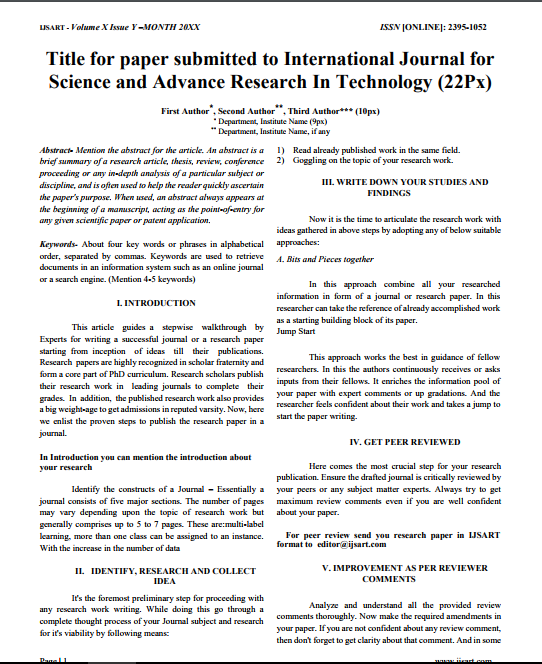
Download Paper Format
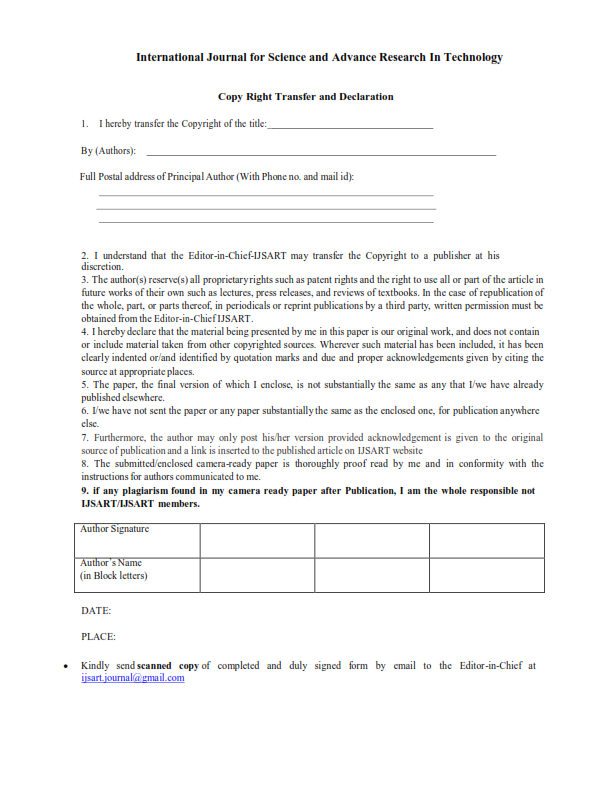
Copyright Form

Author(s)
Abstract
Heterocyclic Compounds Are An Essential Class Of Molecules In Medicinal Chemistry Because Their Structural Diversity And Heteroatom Content Enable Specific Interactions With A Wide Range Of Biological Targets [1]. However, Classical Synthetic Routes Frequently Involve Hazardous Reagents, Toxic Organic Solvents, High Energy Consumption, Multistep Operations, And Excessive Waste Generation. Green Chemistry Offers A Vital Framework To Refine Synthetic Efficiency While Minimising The Environmental Footprint Of Heterocycle Production. This Review Critically Evaluates Sustainable Methodologies For Constructing Bioactive Heterocyclic Cores, Focusing On Microwave-assisted Synthesis, Ultrasound-driven Routes, And Multicomponent Reactions (MCRs), Solvent-free/aqueous Media, And Eco-friendly Catalytic Systems. Furthermore, The Therapeutic Relevance Of These Frameworks Across Oncology, Infectious Diseases, Neurodegenerative Conditions, And Metabolic Disorders Is Detailed [1]. Despite Notable Progress, Translating Green-synthesized Leads Into Clinical Candidates Remains Bottlenecked By Aqueous Solubility Issues, Poor Metabolic Stability, Incomplete Pharmacokinetic Profiles, And Limited In Vivo Validation [1]. Future Research Must Harmoniously Integrate Green Synthetic Protocols With Systematic In Vivo Testing, Advanced Drug-delivery Platforms, And Computational/AI-driven Modelling To Accelerate The Discovery Of Sustainable Therapeutics
Keywords
Paper ID
IJSARTV12I9105862
Publication Date
September 4, 2026
Research Area
Biochemistry