Impact Factor
Call For Paper
Volume 12 Issue 09
September 2026
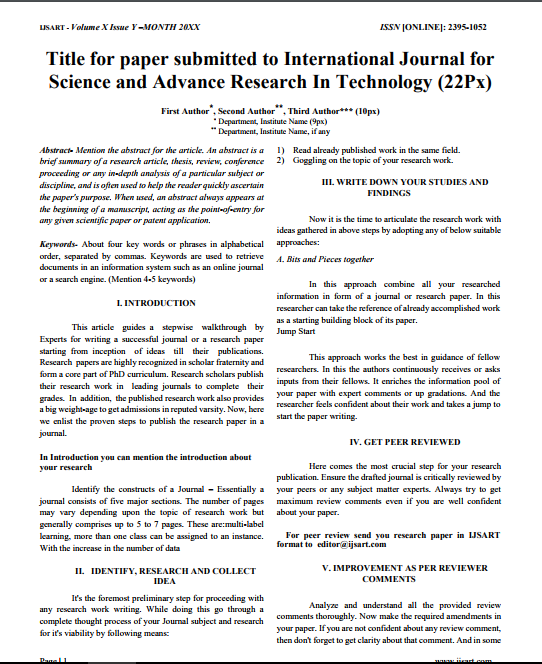
Download Paper Format
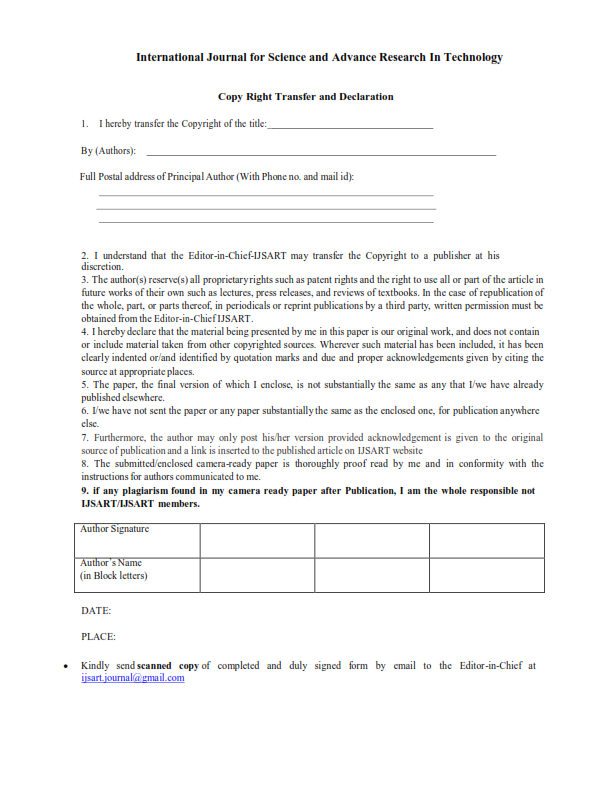
Copyright Form

Author(s)
Abstract
Web 3.0 Shifts Control From Centralized Cloud Servers Toward Distributed Edge Nodes, Blockchain Miners/validators, And Peer-to-peer Communication. Many Of These Nodes Rely On Low-power Radios And Operate In Highly Dynamic Environments. High PAPR Stresses Their Power Amplifiers, Causing Energy Waste, Reduced Hardware Lifespan, And Degraded Signal Integrity. PAPR Reduction Techniques Such As Clipping, Selective Mapping, And Tone Reservation Ensure That Edge Devices Handle OFDM Waveforms Efficiently, Allowing Decentralized Nodes To Participate Reliably In Consensus Protocols And Data Exchange Without Frequent Downtime Or Excessive Energy Consumption. One Of The Major Challenges That Multiplexed Data Suffers From Is High Value Of Peak To Average Power Ratio (PAPR). This Causes High Bit Error Rates And Reduced Quality Of Service. The Proposed Work Uses A Modified Selective Mapping Technique And Attains Lower PAPR Compared To Previously Existing Work, Thereby Increasing The Security Of IoT Networks
Keywords
Paper ID
IJSARTV12I2104563
Publication Date
February 10, 2026
Research Area
Information Technology