Impact Factor
Call For Paper
Volume 12 Issue 08
August 2026
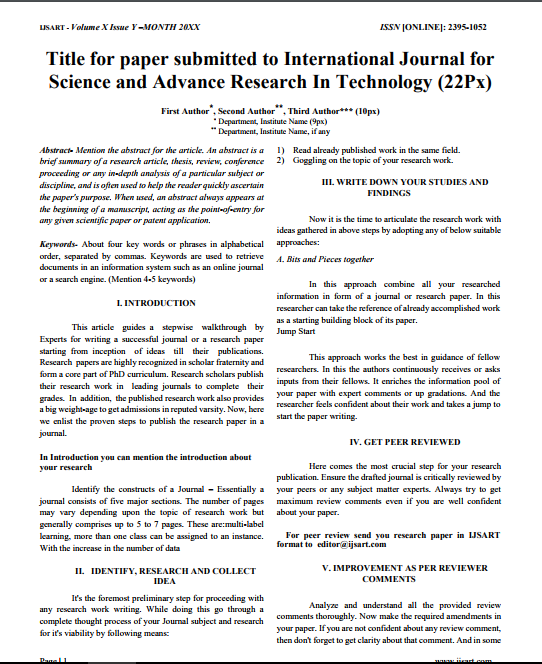
Download Paper Format
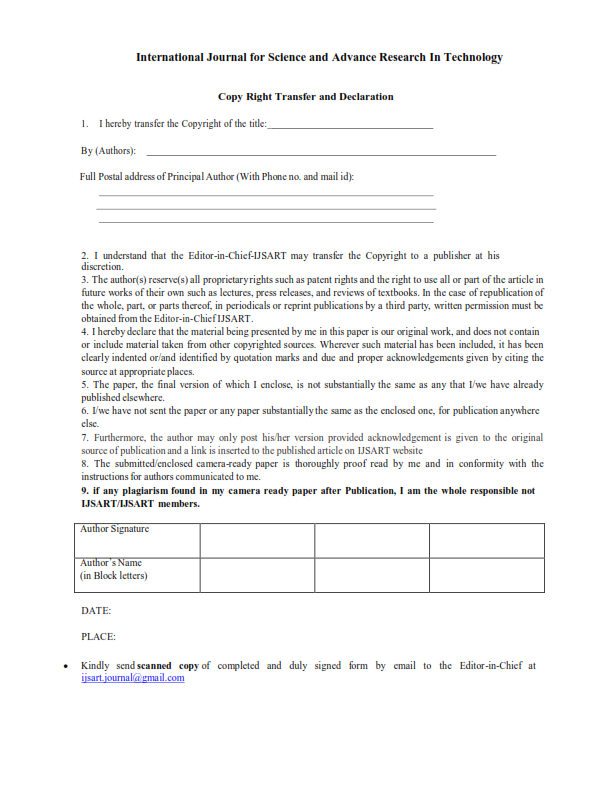
Copyright Form

Author(s)
Abstract
This Paper Presents A Comparative Analysis Of Conventional Steel Structure (CST) And Pre-engineered Building (PEB) Systems For An Industrial Warehouse Using STAAD.Pro. Four Principal Models Were Examined: Three-bay And Nine-bay CST Structures And Equivalent PEB Structures. Each Bay Was 8 M Long, The Clear Span Was 12 M, And The Full Warehouse Length Was 72 M. The Reported Eave Height Was 14 M, Supports Were Pinned, And The Adopted Basic Wind Speed Was 33 M/s, Producing A Design Wind Pressure Of 653.4 N/m². Maximum Deformation And Maximum Axial Force Were Used As The Principal Performance Indicators. CST Deformation Decreased From 43.7 Mm To 39.6 Mm As The Bay Count Increased, Whereas PEB Deformation Decreased From 34.3 Mm To 23.7 Mm. CST Axial Force Reduced From 84.3 KN To 76.7 KN, While PEB Axial Force Reduced From 63.58 KN To 57.23 KN. Compared With CST, PEB Reduced Deformation By 21.51% For Three Bays And 40.15% For Nine Bays, And Reduced Axial Force By 24.58% And 25.38%, Respectively. Validation Against Joint-method Support Reactions Produced A Maximum Difference Of Approximately 0.05%. The Results Indicate That PEB Framing Provides Superior Deformation Control, Lower Axial Demand, And Potential Material Economy For The Studied Long, Column-free Industrial Warehouse.
Keywords
Paper ID
IJSARTV12I8105809
Publication Date
August 6, 2026
Research Area
Structural Engineer