Impact Factor
Call For Paper
Volume 12 Issue 09
September 2026
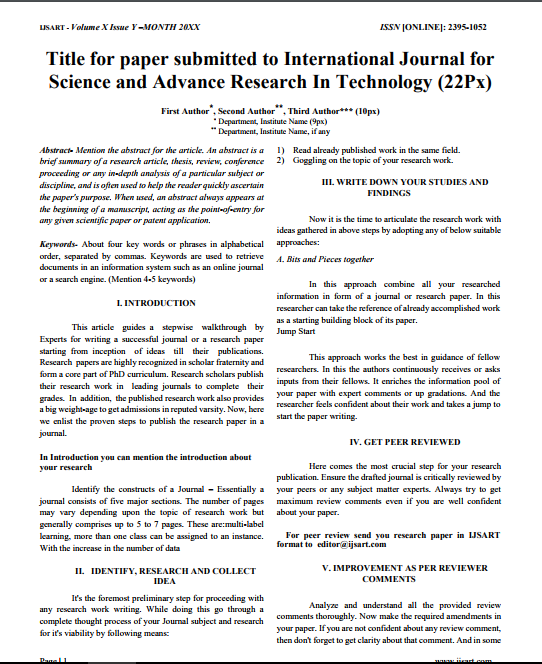
Download Paper Format
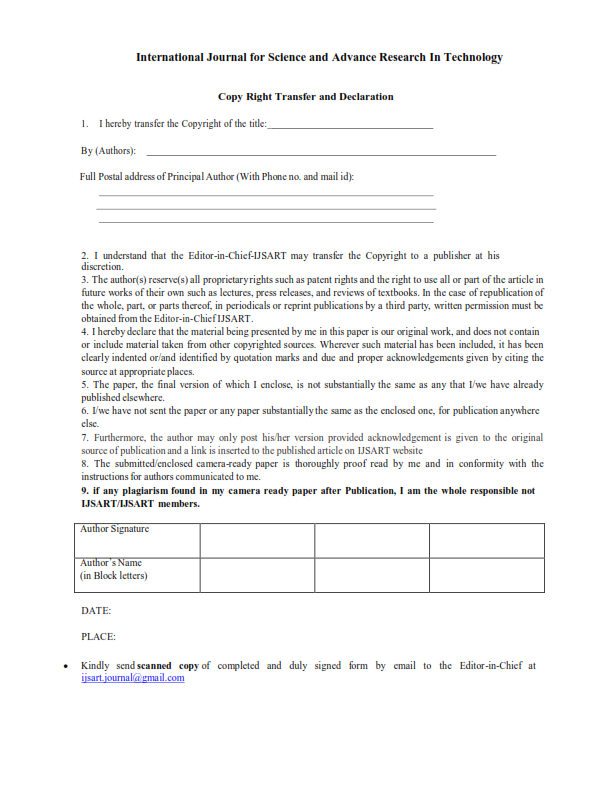
Copyright Form

Author(s)
Abstract
The Two Primary Forms Of Pavement Are Rigid Pavement And Flexible Pavement. Bituminous Is Used As The Aggregate And Binder Material In Flexible Pavements. The Gelatinous, Viscous Mixture Of Hydrocarbons Known As Bitumen, Which Is Used For Roofing And Pavement Materialisation, Can Be Obtained Naturally Or As A Byproduct Of Petroleum Refinement. Globally, Bitumen Is Utilised As A Binder For Flexible Pavements. When Heated, Bitumen Turns Poisonous And Has Negative Effects On The Environment, Even Though It Is Not Dangerous In Normal Circumstances. Additionally, The Production Of Bitumen, Which Comes From Petroleum, A Non-renewable Energy Source, Will Have Caused The Depletion Of Petroleum Reserves. The Highway Sector Faces A Significant Challenge In Reducing Its Reliance On Fossil Fuels And Recycling Its Trash. With Bitumen, A Binder Made From Petroleum, Being One Of Its Primary Constituents, The Asphalt Industry Is Certainly One With A Sustainable Environmental Impact. The Production Of Bitumen Contributes To Massive Emissions Of Carbon Dioxide, Which Harm The Environment. Utilising Waste Oils As Substitute Binders Is The Subject Of This Research Project. Waste Cooking Oil And Waste Engine Oil Are The Waste Oils Used. These Are Investigated And Evaluated To Create A Sustainable Environment. This Project Will Offer A Substitute Or Modified Binder And A More Effective Method For The Secure Disposal Of Waste Oils Produced. Therefore, This Initiative Is Advantageous In Terms Of The Safe Disposal Of Waste Oils As Well As The Environmental Elements Of The Alternative Binder.
Keywords
Paper ID
IJSARTV12I3104661
Publication Date
March 8, 2026
Research Area
Civil Engineering