Impact Factor
Call For Paper
Volume 12 Issue 09
September 2026
Download Paper Format
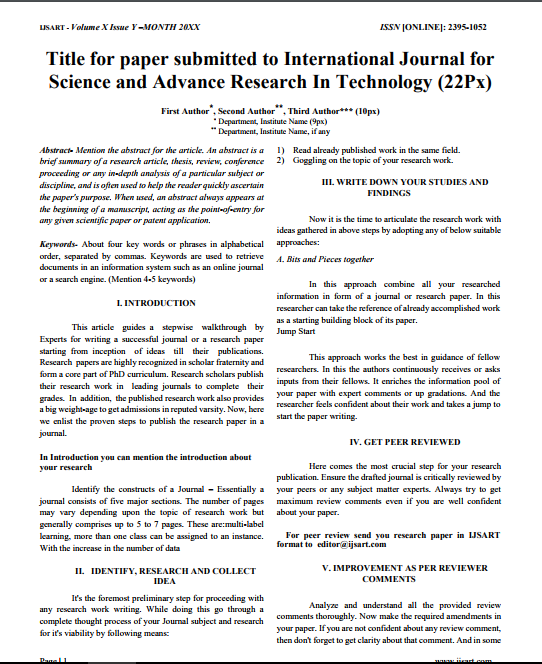
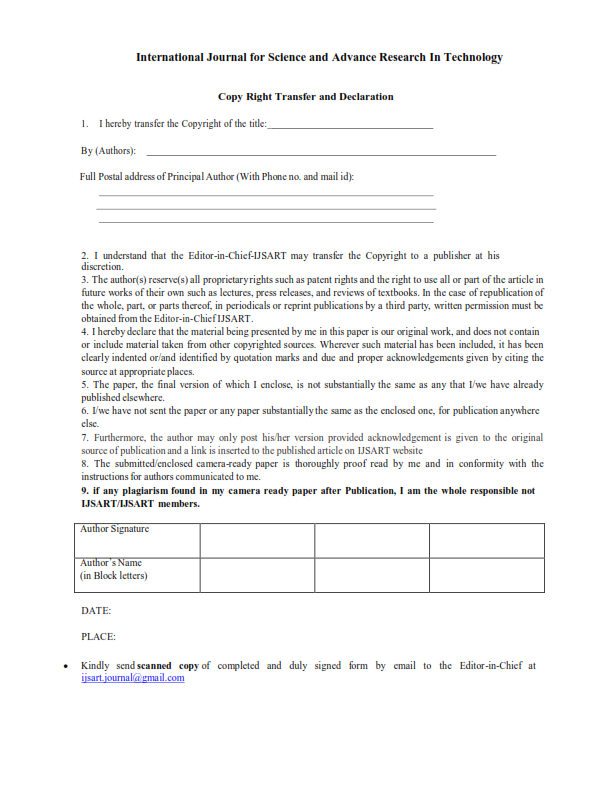
Copyright Form

Author(s)
Abstract
Untreated Pond Water Frequently Has Significant Levels Of Turbidity, Hardness, Nitrates, And Chlorides, Rendering It Unfit For Drinking And Other Uses. Contaminants Such As Suspended Particles, Germs, And Dissolved Salts Can Endanger Human Health And Impair Water Quality. This Study Compares The Efficacy Of Four Filtration Technologies For Improving Pond Water Quality: Microfiltration (MF), Ultrafiltration (UF), Nanofiltration (NF), And Reverse Osmosis (RO). The Findings Indicate That MF And UF Successfully Reduce Turbidity And Suspended Solids, But NF Provides Moderate Purification By Reducing Pollutants To Tolerable Levels. RO Produces The Highest Quality Water By Considerably Eliminating All Contaminants, Making It Suitable For Drinking And Other Delicate Uses. The Study Emphasizes The Necessity Of Choosing The Right Filtration System Based On Water Quality Requirements, Cost, And Efficiency.
Keywords
Paper ID
IJSARTV11I6103726
Publication Date
June 2, 2025
Research Area
Civil Engineering