Impact Factor
Call For Paper
Volume 12 Issue 09
September 2026
Download Paper Format
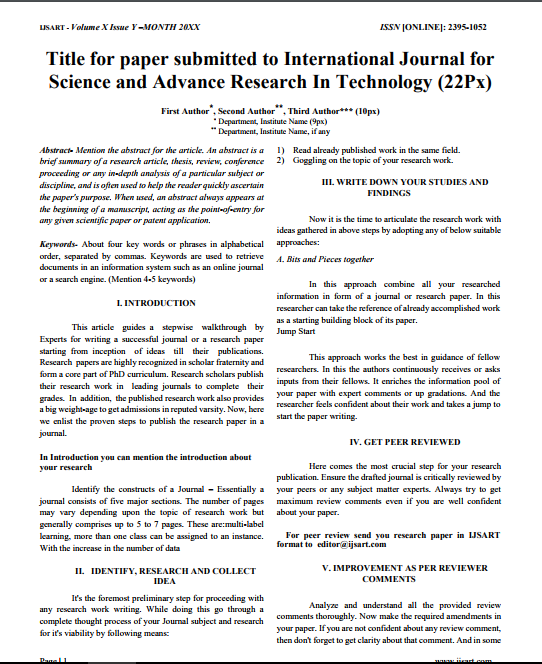
Copyright Form
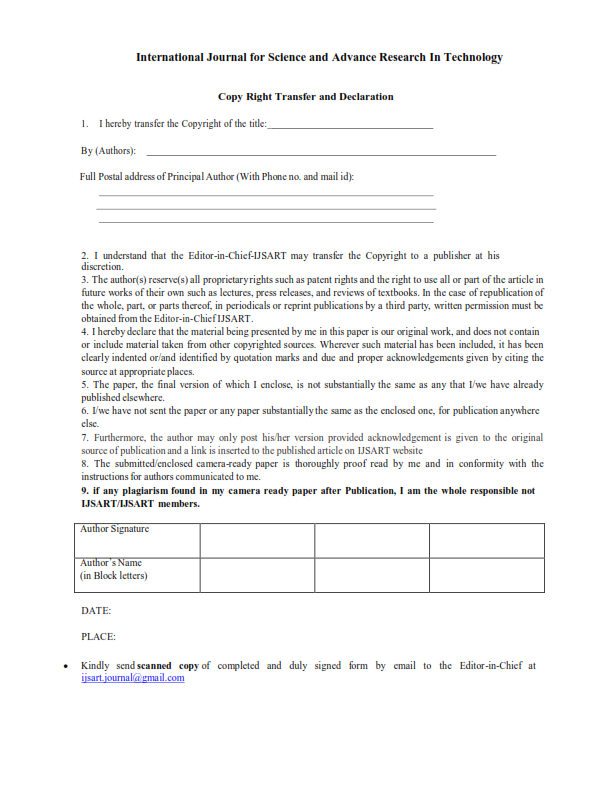

Author(s)
Abstract
Chronic Diseases Resulting From Poor Lifestyle Habits Are The Leading Cause Of Illness And Mortality Worldwide. Many Of These Conditions Can Be Managed Or Prevented Through The Principles Of Ayurveda, Which Emphasizes Holistic Lifestyle Changes And The Regular Use Of Adaptogenic Herbs. Pithecellobium Dulce, An Indigenous Fruit, Has Long Been Valued In Traditional Medicine For Its Remarkable Therapeutic Properties. Historically, Various Parts Of The Tree—from Root To Fruit—have Been Employed To Treat A Wide Range Of Ailments. In Ayurvedic And Other Traditional Medicinal Systems, P. Dulce Has Been Extensively Utilized Due To Its Rich Profile Of Bioactive Compounds, Including Triterpenoids, Flavonoids, Sterols, And Tannins. Research Has Demonstrated That The Fruits Of Pithecellobium Dulce Contain High Levels Of Phenols, Flavonoids, And Saponins, Which Contribute To Reducing Oxidative Stress, Managing Diabetes, And Alleviating Digestive Disorders. The Fruit Also Exhibits A Wide Range Of Pharmacological Properties, Including Antiviral, Antibacterial, Antioxidant, Antidiabetic, Antipyretic, Antihelminthic, Anti-inflammatory, And Sedative Effects. In Addition To The Fruit, The Leaves And Seeds Of P. Dulce Have Shown Significant Adulticidal, Antifungal, And Antibacterial Activities. Nutritionally, The Fruit Is A Valuable Source Of Carbohydrates, Plant Steroids, And Proteins. Given Its Broad Therapeutic Potential And The Growing Body Of Scientific Evidence Supporting Its Efficacy, P. Dulce—a Long-utilized Component In Traditional Medicine—may Be Effectively Integrated Into Modern, Evidence-based Healthcare Approaches.
Keywords
Paper ID
IJSARTV11I11104356
Publication Date
November 26, 2025
Research Area
Pharmacy