Impact Factor
Call For Paper
Volume 12 Issue 07
July 2026
Download Paper Format
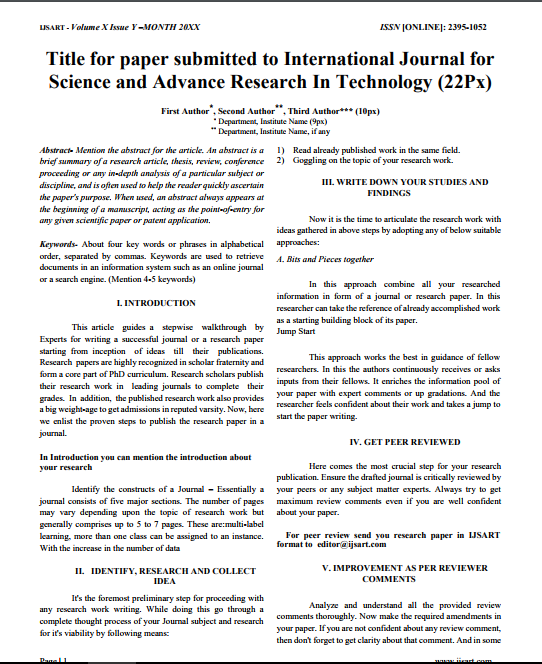
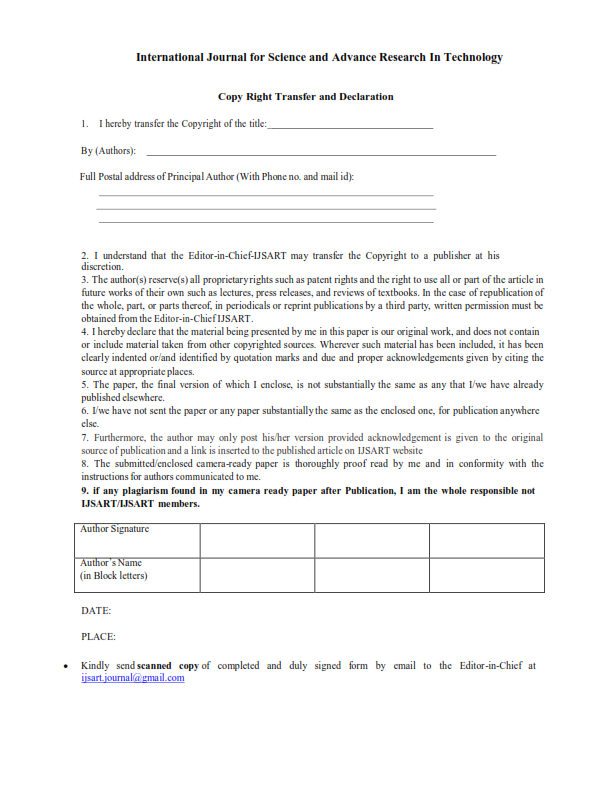
Copyright Form

Author(s)
Abstract
Adverse Effects In Clinical Trials Pose Serious Health Risks And Financial Burdens. Predictive Algorithms For Side Effects Can Mitigate These Issues By Informing Early Drug Development. The LINCS L1000 Dataset, With Its Extensive Drug-perturbed Gene Expression Data, Is A Valuable Resource For Such Predictions. However, Many Current Methods Only Use A Limited Subset Of High-quality Experiments, Overlooking Much Of The Data. This Study Leverages The Full LINCS L1000 Dataset And Evaluates Five Deep Learning Architectures. A Multi-modal Model Combining Drug Chemical Structure (CS) And Gene Expression (GEX) Shows Superior Performance Among MLP-based Methods, With CS Features Proving More Informative. Additionally, A CNN Using Only SMILES Representations Achieves The Best Overall Results, Improving Macro-AUC By 13.0% And Micro-AUC By 3.1% Over Existing Approaches. The Model Also Identifies Previously Unreported Drug-side Effect Associations Found In The Literature.
Keywords
Paper ID
IJSARTV11I6103830
Publication Date
June 27, 2025
Research Area
CSE