Impact Factor
Call For Paper
Volume 12 Issue 07
July 2026
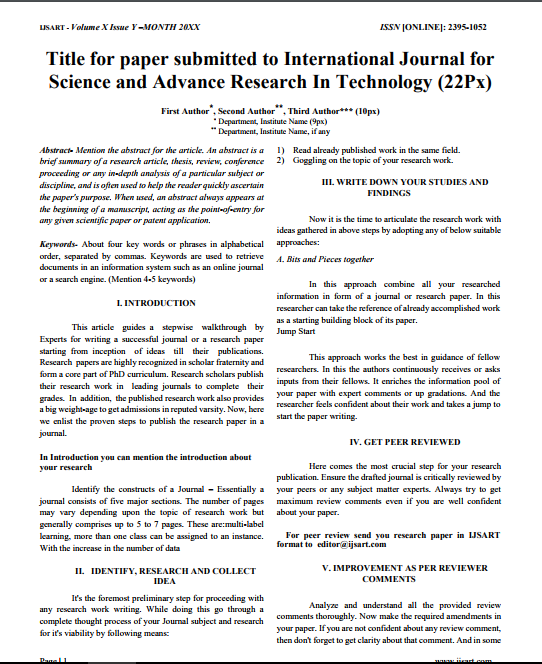
Download Paper Format
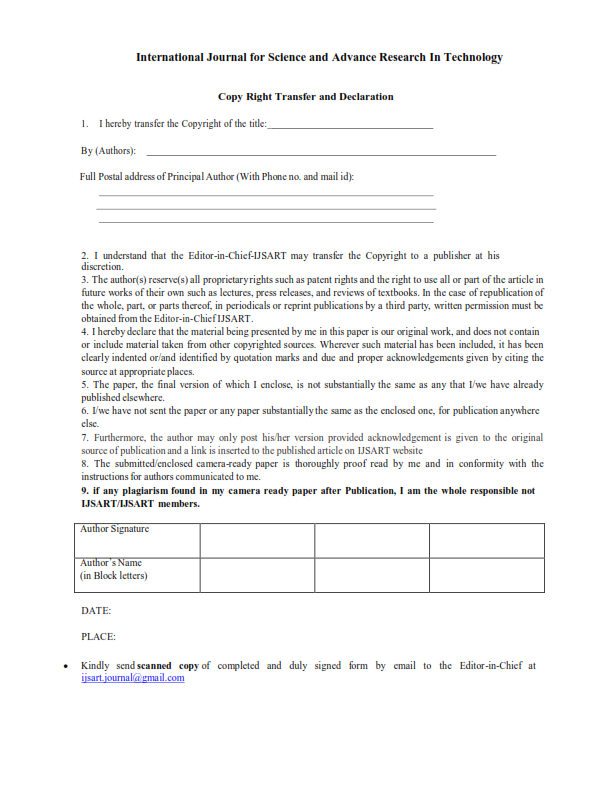
Copyright Form

Author(s)
Abstract
Conventional Thermal Engineering Systems In Industrial Applications Rely Heavily On Fossil Fuels, Resulting In Significant Greenhouse Gas Emissions, Particulate Matter Pollution, Acid Rain, And Thermal Pollution Of Water Bodies. This Paper Examines Sustainable Thermal Engineering Approaches Aimed At Mitigating These Environmental Impacts While Maintaining High System Efficiency. Key Strategies Discussed Include Waste Heat Recovery (WHR), Integration Of Renewable Energy Sources Such As Solar And Biomass, Clean Combustion Technologies, And Advanced Emission Control Devices. A MATLAB/Simulink Simulation Of A Hybrid Solar–biomass Thermal System Designed For Industrial Process Heating Demonstrates A Solar Contribution Of 40–55%, Energy Savings Of 22%, And Reductions Of 18–35% In CO₂, NOₓ, SOₓ, And Particulate Matter Emissions Compared To Conventional Systems. Furthermore, Case Studies From Cement Plants And Solar-assisted Boiler Installations Validate The Practical Feasibility Of These Approaches. The Study Aligns With Indian Regulatory Standards Set By The CPCB And MoEF And Supports The Transition Toward Low-carbon Industrial Thermal Operations.
Keywords
Paper ID
IJSARTV12I1104493
Publication Date
January 8, 2026
Research Area
Mechanical Engineering