Impact Factor
Call For Paper
Volume 12 Issue 09
September 2026
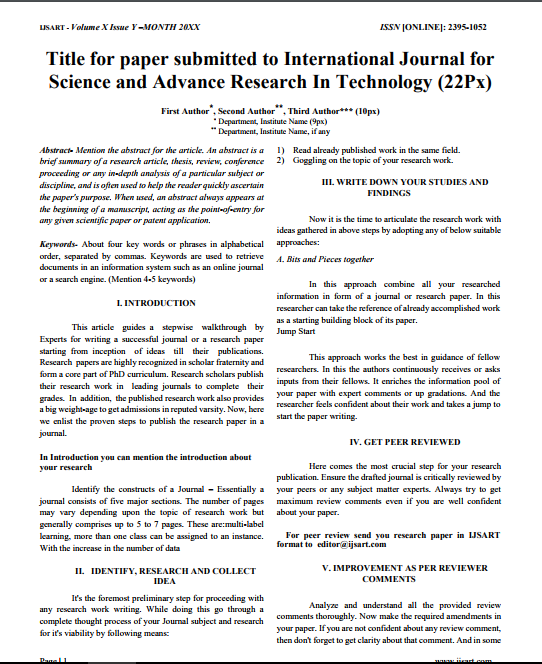
Download Paper Format
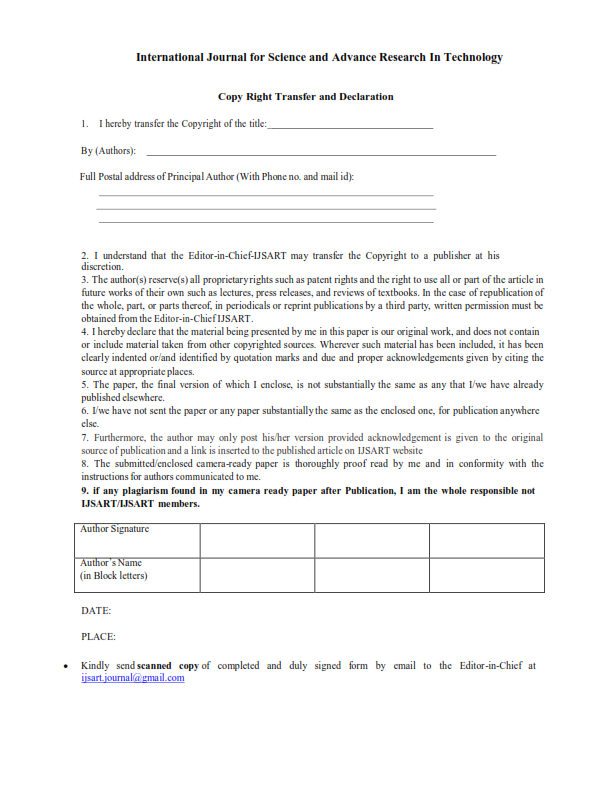
Copyright Form

Author(s)
Abstract
Peptic Ulcer Disease Is An Important Gastrointestinal Illness Characterized By The Development Of Mucosal Breaks Into The Stomach Or Duodenum. Its History Runs From Early Clinical Observations To Major Developments In The Twentieth Century, Especially The Recognition Of Helicobacter Pylori As A Primary Cause. The Discovery Shifted The Focus From Acid Alone To A More Complex Interaction Between Infection, Mucosal Defense, And Environmental Triggers. Pathophysiologically, The Development Of Ulcers Is Linked To An Imbalance Of Aggressive Factors Such As Acid, Pepsin, H. Pylori, And NSAIDs And Protective Mechanisms Of The Mucosal Barrier, Blood Flow, And Secretion Of Bicarbonate. Despite This, It Remains A Common Disease, The Prevalence Of Which Varies In Different Geographic Locations Due To Socioeconomic Status, Sanitation, Medication, And Lifestyle. Clinically, Patients May Have Burning Epigastric Pain, Early Satiety, Nausea, Vomiting, Bloating, Or Discomfort Related To Meals. Many Patients Remain Asymptomatic Until Complications Arise. Major Risk Factors Include H. Pylori Infection, Chronic NSAID Or Aspirin Intake, Smoking, Alcohol Use, Stress-related Mucosal Injury, And Family History Of Ulcer Disease. If Left Unattended, Peptic Ulcers Can Result In Gastrointestinal Bleeding, Perforation, Peritonitis, Gastric Outlet Obstruction, And A Risk Of Recurrent Ulceration. Diagnosis Is Based On Upper Gastrointestinal Endoscopy, Which Can Visualize The Disease Directly And Provides An Opportunity For Biopsy To Investigate The Presence Of H. Pylori. Non-invasive Tests Such As Urea Breath Tests, Stool Antigen Assays, And Serology Assist In Diagnosis And Follow-up. Prevention Includes The Rational Use Of NSAIDs, Eradication Of H. Pylori Infection, Avoiding Tobacco And Excessive Alcohol Intake, And Improving Diet And Stress Management. The Management Focuses On The Use Of Proton Pump Inhibitors, Antibiotics To Eradicate H. Pylori, Cessation Of Drugs That Cause Irritation, And Supportive Lifestyle Modifications. The Long-term Prognosis Is Good With Early Detection And Appropriate Management, And Complications May Be Significantly Reduced.
Keywords
Paper ID
IJSARTV11I11104346
Publication Date
November 25, 2025
Research Area
Pharmacy