Impact Factor
Call For Paper
Volume 12 Issue 09
September 2026
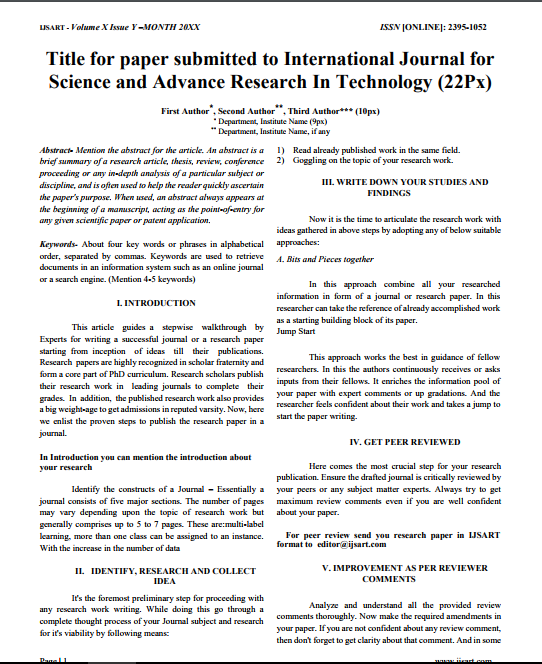
Download Paper Format
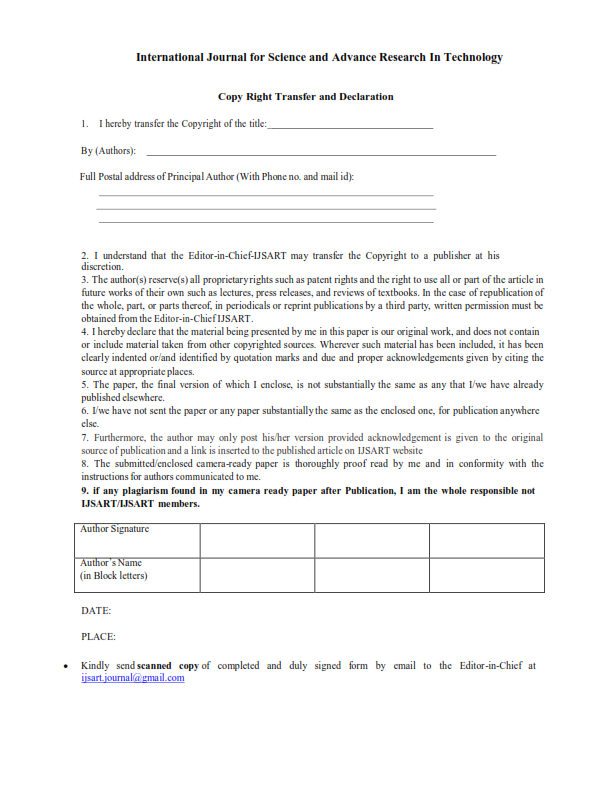
Copyright Form

Author(s)
Abstract
The Current Study Addresses The Innovative Design And Development Of A New, Eco-friendly Triple-layer Herbal Capsule Aimed At Managing Diabetes Mellitus And Its Chronic Complications, With A Specific Emphasis On Impaired Wound Healing. This Novel Capsule Incorporates The Three Herbal Substances Gymnema Sylvestre, Euphorbia Hirta, And Trigonella Foenum-graecum, And Each Of Them Has Been Embedded In A Particular Layer Of The Capsule To Allow Sequential Release Of The Ingredients, Thus Addressing Several Stages And Sites Of Diabetes-related Pathology. The Herbal Capsule Is Formulated Using Direct Compression, Dry Granulation, And Dry Powder Coating, Which Ensures No Residual Solvents Are Present, Thus Contributing To Pharmaceutical Sustainability. Each Layer Of The Capsule Is Designed To Release The Actives At A Specific Target Site For A Function-specific Action. Layer 1 (Outer Layer): The Outermost Layer Is Euphorbia Hirta, Which Is Rich In Flavonoids That Have Antioxidant Properties And Can Heal Wounds. It Is Designed For Immediate Gastric Disintegration To Dampen Oxidative Stress And Microbial Load As Early As Possible. Layer 2 (Middle Layer): The Middle Layer Is Gymnema Sylvestre, Which Has Gymnema Acids That Aim For Controlled Gastric Release In The Upper Intestine To Achieve Inhibition Of Glucose Absorption And Stimulation Of Insulin Secretion. Layer 3 (Core Layer): The Core Layer Is Trigonella Foenum-graecum (fenugreek), Which Is Rich In Saponins And Galactomannans. It Is Designed For Sustained Release In The Distal Gut To Achieve Long-term Control Of Anti-inflammatory And Anti-glycemic Action. Phytoconstituents Were Obtained Using Green Techniques And Characterized Through Preliminary Phytochemical Screening And UV Vis Spectroscopy. The Evaluation Plan Includes Testing Excipient Blending And Micro Particle Sizing, Physicochemical Attributes, And Disintegration And Dissolution Testing In Simulated Gastrointestinal Fluids, Bioactive Marker Spectrophotometry, And Quantitation By Marker Ratio Method. Assessing The Antioxidant Capacity By DPPH Method And Bioactive Relevance Through Glucose Uptake Analysis. This System For Delivery Tackles The Various Aspects Of Diabetes By Improving Formulation, Phytochemical Stability, Adherence, And Phytochemical Stability Of The Medication. The Solvent-free, Site-specific Method Used In This Case Can Be Applied To Various Other Cases, Which Makes It Ideal For Patenting And Progression Through Regulatory Requirements. In This Case, The Next Steps Will Be The In Vitro Release Assays, Diastolic And Systolic Function Preclinical Studies, And Thorough Stability Studies To Facilitate A Faster Time To Market
Keywords
Paper ID
IJSARTV11I8103984
Publication Date
August 25, 2025
Research Area
Pharmaceutics