Impact Factor
Call For Paper
Volume 12 Issue 07
July 2026
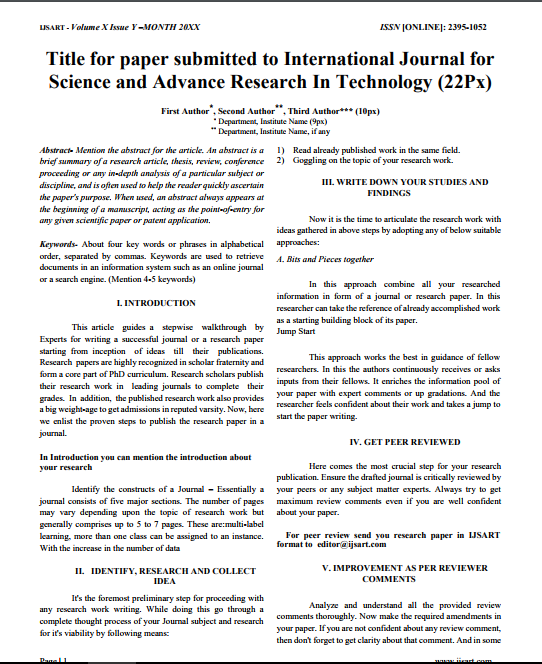
Download Paper Format
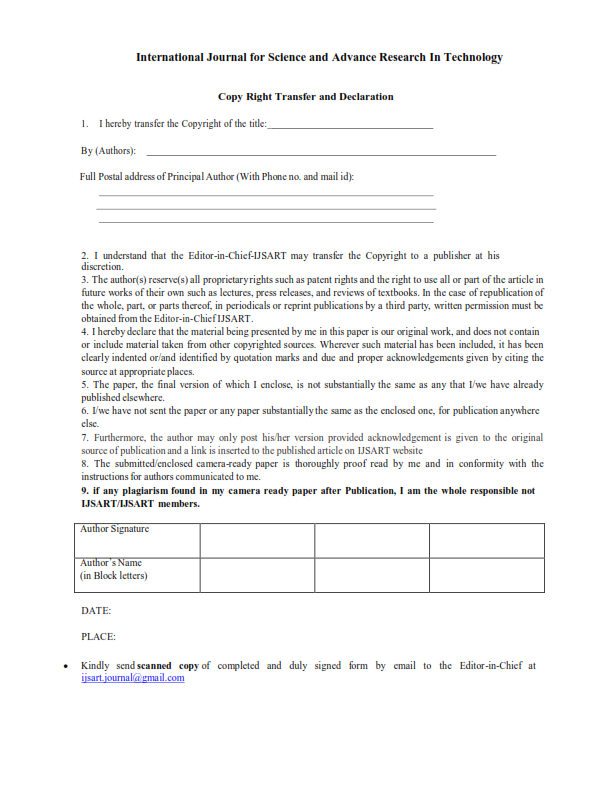
Copyright Form

Author(s)
Abstract
This Study Presents A Conceptual Analysis Of Structural Audit Practices For Bungalows Using Non-Destructive Testing (NDT) Methods. Structural Health Monitoring (SHM) Plays A Crucial Role In Assessing The Integrity Of Buildings By Detecting Potential Damage Such As Material Degradation, Cracks, And Other Structural Anomalies. In Residential Structures, Especially Bungalows, The Application Of NDT Methods Like Ultrasonic Pulse Velocity (UPV), Rebound Hammer Testing, And Core Concrete Sampling Provides Valuable Insights Into The Condition Of Concrete Without Causing Damage. These Techniques Ensure Effective, Cost-efficient Maintenance Of Buildings While Extending Their Lifespan. The Research Highlights The Growing Adoption Of NDT Methods In Residential Building Maintenance, Particularly In Regions Like Pune, India, Where Many Bungalows Are Decades Old. By Combining Different NDT Techniques, Engineers Can Create A Detailed Evaluation Of A Structure's Condition, Guiding Repair And Reinforcement Decisions. As These Methods Evolve, There Is A Shift Toward Predictive Maintenance, With Machine Learning And AI Integration Offering The Potential For More Accurate Assessments And Earlier Detection Of Degradation. This Study Also Discusses The Potential For Sustainable Practices, Such As Reusing Concrete Materials, Supported By The Data Gathered From NDT Methods. The Findings Suggest That NDT Can Significantly Improve The Management And Longevity Of Bungalow Structures While Reducing Environmental Impacts Associated With Demolition And New Construction.
Keywords
Paper ID
IJSARTV11I6103784
Publication Date
June 16, 2025
Research Area
Civil Engineering